As a physiotherapist who recently completed 12 months of ACL reconstruction rehabilitation and returned to competitive badminton, I can provide both clinical expertise and personal insights into the recovery process.
The Injury Mechanism
ACL injuries commonly occur during deceleration, pivoting, or landing movements. In my case, the injury occurred during an overhead jump smash in badminton—my left knee caved inward (valgus collapse) upon landing, resulting in complete ACL rupture.
This mechanism is typical of non-contact ACL injuries in jumping sports, where the combination of landing forces and rotational stress exceeds the ligament's capacity.
Immediate Post-Injury Phase (Weeks 0-2)
The immediate post-surgical period is critical for setting up the recovery process. This phase focuses on managing swelling, protecting the graft, and beginning gentle movement to prevent stiffness.
Key Goals: Control swelling, activate quadriceps muscles, achieve full knee extension, and begin protected weight-bearing.
Early Rehabilitation Phase (Weeks 2-12)
This phase emphasizes regaining function while protecting the healing graft. The focus is on restoring range of motion, beginning strengthening exercises, and progressing from crutches to normal walking.
Weeks 2-6: Working towards full knee extension and improving flexion, starting closed-chain exercises, and initiating stationary cycling.
Weeks 6-12: Progressing to full weight-bearing, increasing exercise intensity, and addressing any gait abnormalities.
Strength Building Phase (Months 3-6)
The focus shifts to developing strength and neuromuscular control. This is where the real work begins, building the foundation for eventual return to sport.
Key milestone: Achieving at least 80-90% quadriceps strength symmetry between limbs before progressing to running.
Advanced Rehabilitation (Months 6-9)
This phase introduces higher-level activities including running, plyometrics, agility training, and sport-specific drills—all carefully progressed based on individual readiness.
Return to Sport Phase (Months 9-12)
The final phase involves sport-specific preparation:
Month 9-10: Controlled badminton-specific movements (light hitting, footwork drills)
Month 10-11: Modified training without full-intensity competitive play
Month 12: Return to competitive badminton after meeting all return-to-play criteria
Return-to-Sport Criteria
Athletes should not return to competition until meeting specific criteria. These benchmarks help ensure the knee is ready and reduce re-injury risk. Proper assessment and testing are essential before clearance.
Critical Success Factors
1. Patience with Timeline
Rushing return to sport significantly increases re-rupture risk. Research shows athletes returning before 9 months have substantially higher re-injury rates.
2. Strength Development
Achieving and maintaining strength symmetry between legs is essential. Quadriceps strength is particularly critical for knee stability.
3. Neuromuscular Control
Restoring proper movement patterns and landing mechanics reduces future injury risk. This requires dedicated practice and conscious attention to technique.
4. Psychological Preparation
Mental readiness often takes longer than physical recovery. Building confidence through progressive exposure to sport-specific movements is essential.
Common Challenges
The ACL recovery journey presents several challenges that require persistence and professional guidance:
- Quadriceps activation: The quad often "switches off" post-surgery
- Range of motion: Achieving full extension can be difficult but is critical
- Impatience: The extended timeline is mentally challenging for athletes
- Strength asymmetry: Balancing strength between both legs takes dedicated work
Current Status: 12 Months Post-Surgery
At 12 months post-reconstruction, I have successfully returned to competitive badminton with full confidence in the knee. This personal experience, combined with professional knowledge, provides valuable perspective for guiding athletes through their own ACL recovery journey.
Want a Personalized ACL Recovery Plan?
Every ACL injury is different. Book an assessment to get a comprehensive evaluation and individualized rehabilitation program from someone who has been through the complete journey—from surgery to competitive sport.
Book Your Assessment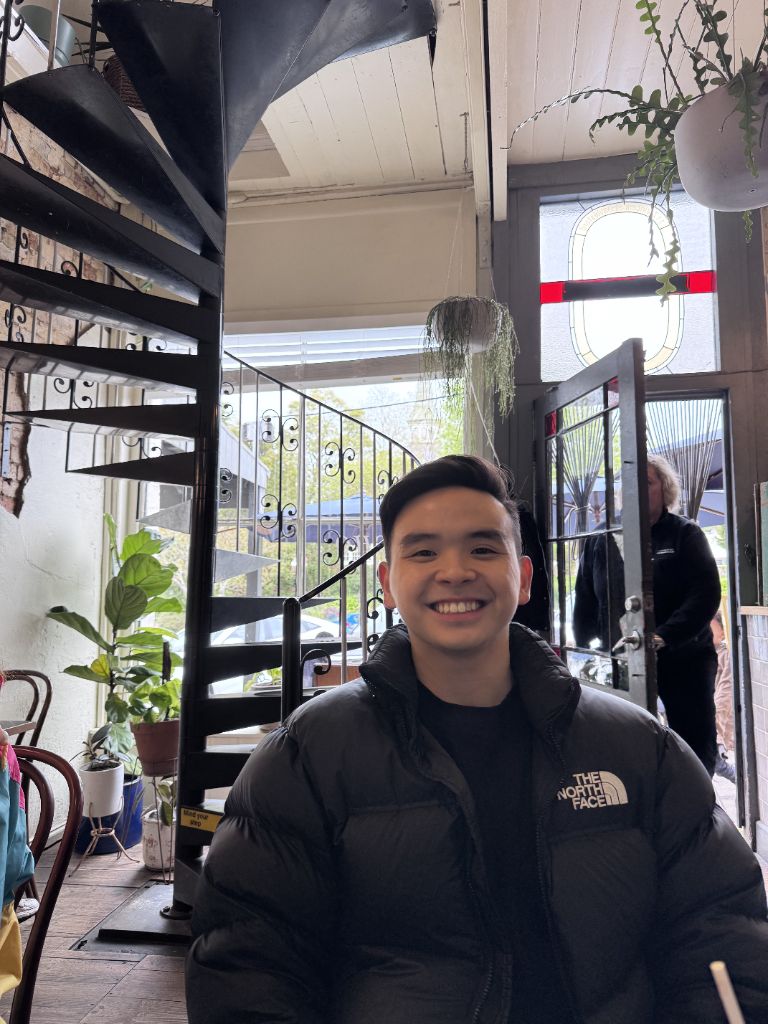
Marcus Kong
Physiotherapist | 12 Months Post-ACL Reconstruction
Recently completed ACL reconstruction rehabilitation and returned to competitive badminton. Combines clinical expertise with firsthand understanding of the ACL recovery journey.